El Salvador Resorts
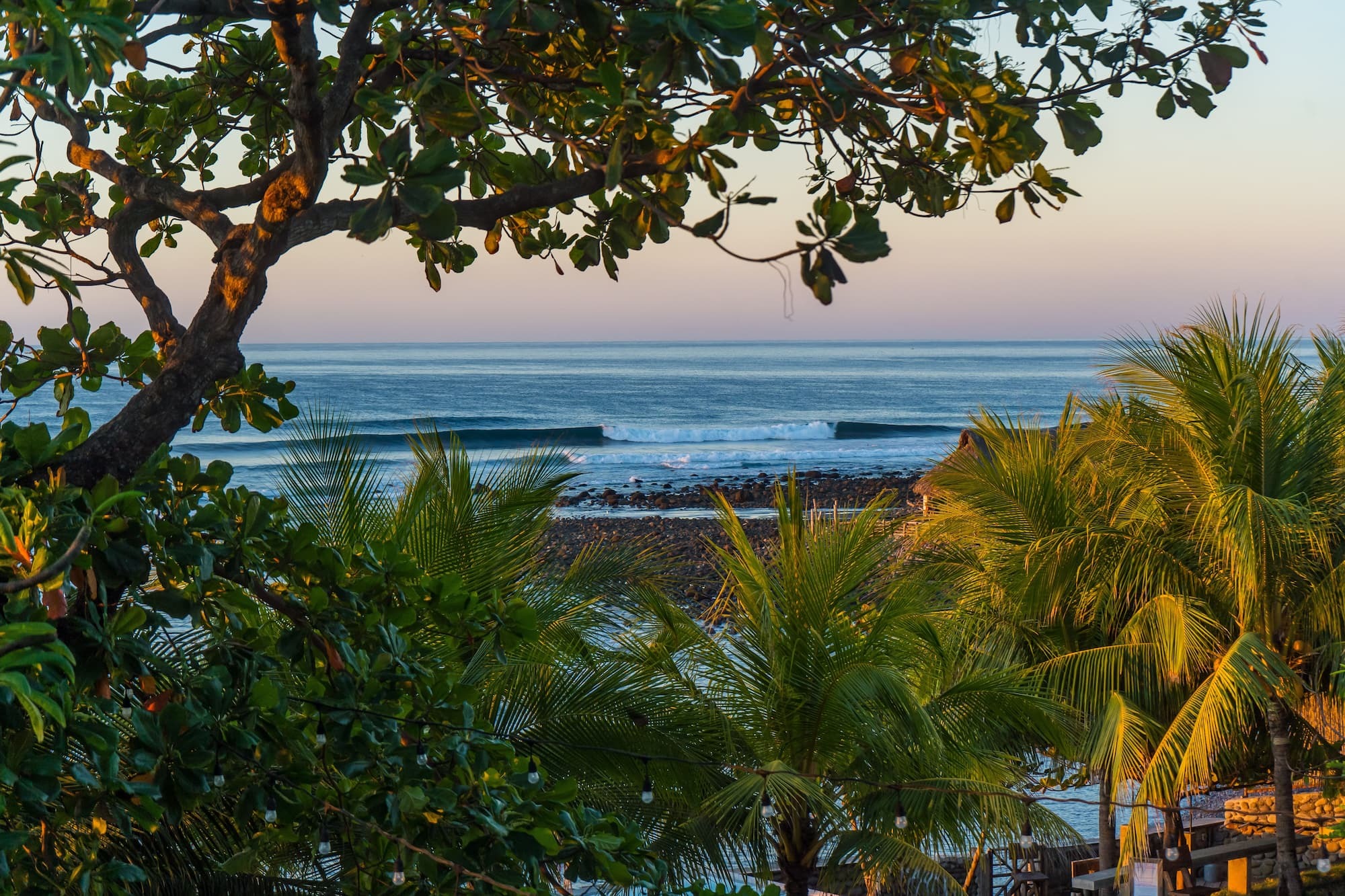
A surfer's honest guide to the best resorts in El Salvador. Compare Puro Surf, Las Flores, AST, and Lapoint by location, skill level, and trip type.
El Salvador Resorts: An Honest Guide to Where to Stay
If you're searching "El Salvador resorts" you're probably past the basic question of whether to come and into the harder one of where to base yourself once you do. This page is meant to help with that. We're a boutique resort in El Zonte (Puro Surf), and we'll tell you when we're the right fit and when something else on this list will suit you better.
The first decision is geographic.
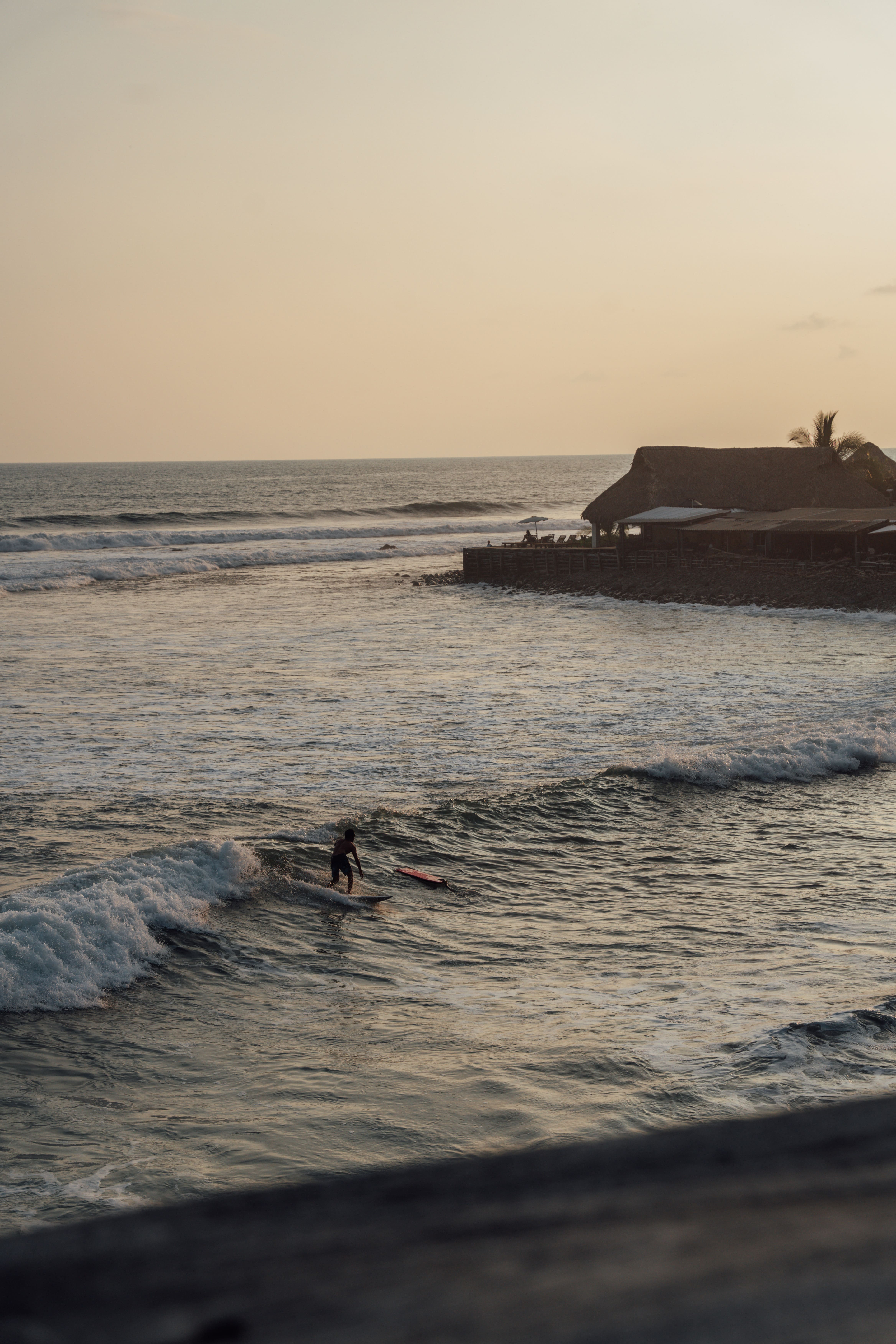
West coast (La Libertad) vs. east coast (Oriente Salvaje)
El Salvador's surf coast splits cleanly into two regions, an hour and a half of paved highway apart.
La Libertad / western coast. An hour from the airport. The original surf zone, the most infrastructure, the most variety in restaurants and nightlife, the easiest place to bring non-surfing partners or kids. Breaks include El Zonte, El Sunzal, La Bocana, and Punta Roca. Better for a mix of trip types: progression-focused surf weeks, family trips, work-from-here remote weeks, and first-time visitors who want options.
Oriente Salvaje / eastern coast. 2.5 hours from the airport. Less developed, smaller crowds, longer waves on the marquee right-hand points. Better for surfers who want to maximize water time at higher-end breaks and don't need the surrounding town to do anything except sleep and feed them. If you're a surf-and-only-surf traveler, the east coast is built for you.
Once you've picked the region, the resort choice gets simpler. Below are the ones we'd actually recommend, with honest notes on who each is for.
Puro Surf — El Zonte (west)
Our place. 14 rooms in front of El Zonte Point, with a Performance Academy facility on site (training pool, gym, a concrete skateboard wave for off-water drills), the Covana Kitchen restaurant, and the country's first professional surf academy methodology — the Surf Sequence, developed by our founder Marcelo Castellanos. ISA-certified coaching, video analysis, structured progression.
Best for: surfers who want structured progression, first-timers through intermediate. Mixed-group trips where some travelers don't surf at all. Anyone who wants to be an hour from the airport rather than three. Remote workers (wifi is solid, restaurant is decent, El Zonte itself is quiet enough to focus).
Not the right fit if: you're an advanced-only surfer set on heavier east-coast breaks like Punta Mango, you want walk-to-surf access at a single elite wave with a capped lineup, or you want a high-energy nightlife scene (El Zonte is mellow; El Tunco is louder if that's what you're after).
Surfcamp coaching week · Hotel rooms and packages · Performance Academy
Las Flores Surf Club — El Cuco (east)
A 15-room boutique resort on a 7-acre property directly in front of Las Flores, a 300-meter right-hand point break inside the Oriente Salvaje World Surfing Reserve. They cap surf passes at 20 per week to control crowding at the wave. In-house surf school and a panga fleet for boat access to neighboring breaks, including Punta Mango.
Best for: intermediate and advanced surfers who want guaranteed walk-to-surf access at a top-tier point break, with a small uncrowded lineup more or less built into the booking. Couples who want quiet. Travelers willing to trade airport convenience for wave quality.
Not the right fit if: you're a complete beginner (the bay has gentler whitewater but the property is built around an advanced wave), you want a base for visiting multiple surf zones in one trip, or 2.5 hours of post-flight driving sounds like a deal-breaker.
AST Surf Resort — Las Flores peninsula (east)
A neighbor of Las Flores Surf Club on the same peninsula, with three breaks directly out front — Las Flores, La Vaca, and El Toro — and a pool with coastline views down to Honduras and Nicaragua. Smaller and less polished than Las Flores Surf Club, but typically priced lower.
Best for: the same intermediate-and-up surf traveler who'd consider Las Flores Surf Club, but on a slightly tighter budget or wanting a more low-key, less-curated vibe.
Lapoint El Salvador — El Sunzal (west)
A camp-style accommodation in front of El Sunzal, part of the Scandinavian Lapoint chain, locally operated. One-on-one instruction model, surf-camp package structure (Monday arrivals, fixed weekly schedule), strong international guest community.
Best for: solo travelers in the beginner-to-intermediate range who want a social camp environment with other guests on the same arrival schedule.
Not the right fit if: you want a privately-bookable hotel rather than a fixed-package camp, you want training infrastructure beyond in-water lessons (gym, training pool, video analysis are part of more academy-style setups), or you want a property run by Salvadorans for the local context that brings.
How to pick
Quick scenarios:
- First surf trip ever, want to actually progress — west coast, academy-style program (Puro Surf for hotel structure; Lapoint for camp structure).
- Already surfing, want to maximize wave count at a great break — east coast, Las Flores Surf Club or AST.
- Mixed group with surfers and non-surfers, family — west coast, Puro Surf or a non-surf hotel in El Tunco / El Zonte.
- Advanced, surf-only, no compromises — east coast, Las Flores Surf Club, plus boat access through eastern guides.
- Remote work week with daily surfs — west coast for connectivity and food options.
FAQ
Are there other resorts worth considering? Yes. Smaller and newer properties keep opening along both coasts — Kayu Surf Resort, Palo Verde, and a handful of guesthouses in El Zonte and El Tunco. We've kept this list to places we know well enough to describe accurately. If you want a recommendation outside this list, ask us.
Can you visit both coasts in one trip? Easily. Most travelers who base on the west coast take a day or two to drive east; less common in the other direction (the west has more dining and nightlife options, so it's a softer first or last leg). If you're staying with us, we can help coordinate.
Is it safe? Yes, for coastal surf travel in 2026. The country's overall security situation has improved dramatically over the last several years and the surf zones — both regions on this page — are calm and tourist-comfortable.
What's the best season? Both. Dry season (Nov–Apr) is smaller waves and easier learning. Wet season (May–Oct) is bigger swells and better advanced surf. For the longer answer, see our El Salvador surfing guide.